Table Of Content
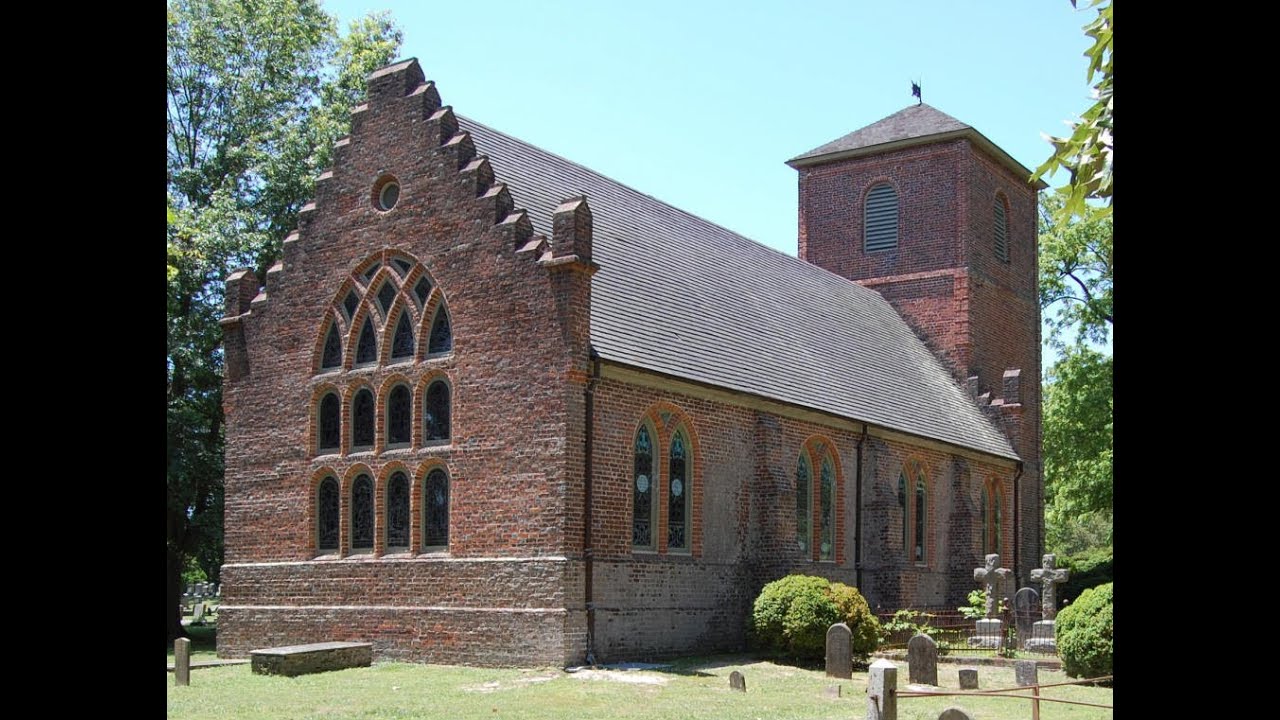
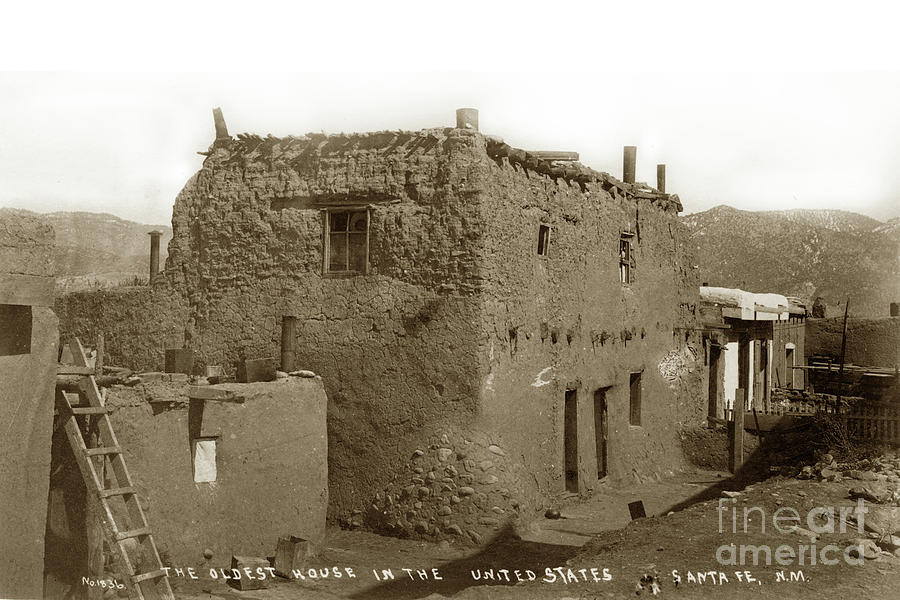
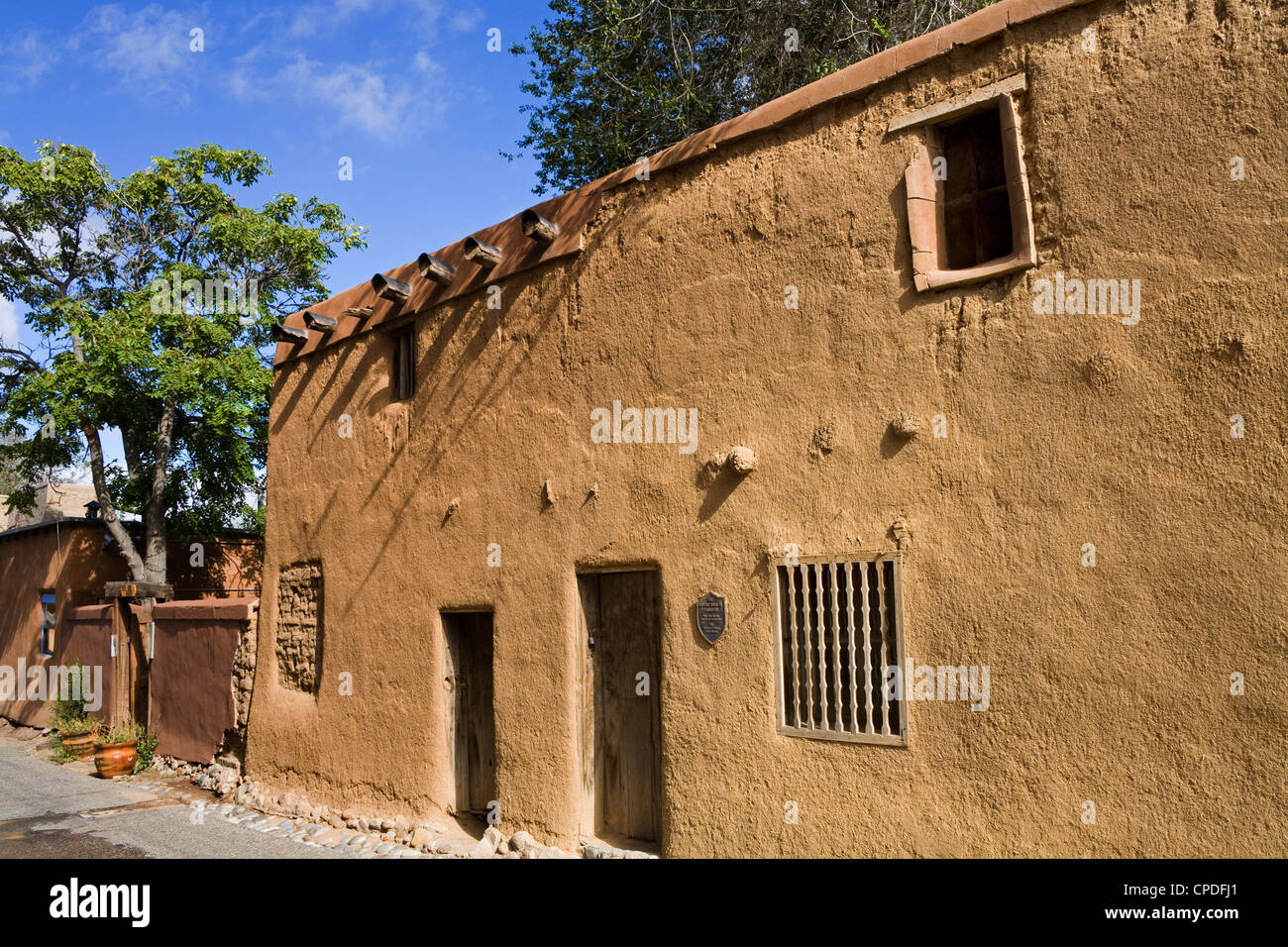
This old American building is regarded as an important element of southern New Jersey’s cultural legacy. These homes not only showcase architectural evolution but also reflect the political and cultural shifts of their times. Each room witnessed life’s drama unfold, from family joys to national turning points, making them profound pieces of American history. Visitors can explore an array of artifacts and exhibits that delve into the rich cultural tapestry of the time. This ancient abode not only reflects the architectural styles of its era but also offers an immersive experience into the daily lives of its original inhabitants. With its deep historical roots, the De Vargas Street House remains a cherished landmark, drawing tourists and history enthusiasts alike to marvel at its longevity and significance.
Sitka Tlingit Clan Houses, Sitka, Alaska
You can visit their graves and the house since the Horton House is open for self-guided tours. Finally, in 1653, it didn't make sense for the growing family to live there anymore, and they headed to Plymouth. Today, people can still visit the Richard Sparrow House, which maintains its wood-paneled exterior and red door at 42 Summer Street.
Sale and conversion to a museum
After the home was passed on to Loomis's family following his death in 1688, it underwent several additions. The additions and renovations continued until 1950 and included making the wood walls look brand new and removing the dilapidated porch. Otherwise, much of the Loomis Homestead remains just as it did when Loomis originally built it. Located near downtown Charleston, Drayton Hall was built in 1738 for Dr. John Drayton and is the only plantation home on the Ashley River that survived both the Revolutionary War and the Civil War. Built in classical Palladian style, the home was a working plantation in the 18th and 19th centuries and now operates as a museum of architecture and African-American history.
C. A. Nothnagle Log House, Gibbstown, NJ (c. 1638-
In 1982, the structure was added to the National Register of Historic Places. In 1989, a comprehensive historical renovation and archeological excavation were accomplished. The current Memorial Church was completed in 1907, and the previous tower was reused. Between 2013 and 2014, a substantial rehabilitation initiative helped to maintain the tower by repairing, mending, and sometimes replacing bricks. The new bricks were made by employing local materials and traditional techniques. To facilitate archaeological access to the location, the land around the church has been systematically cleared of trees and other plants.
Because the Cape Indians were discovered to be friendly, the community did not require the protection of a fort. Visitors can take a tour of the house and discover its history as well as the lives of the individuals who formerly lived there. There are additional displays of the history of Sandwich and the formative years of the United States. The cabin is possibly one of the oldest log cottages in the United States and one of the last cabins erected by the Swedish settlers that are still standing. The home was most likely built sometime between 1640 and 1650 by Swedish immigrants to the New Sweden colony. In the early 1900s, cinema pioneer Siegmund Lubin shot many films at the location.
When paint, wallpaper, and large windows were extravagancies reserved for the wealthy, the Fairbanks House enjoyed it. Amenities like heat, freshwater, and electricity never made their way to the Fairbanks House, as the Fairbanks family ran out of cash. At least visitors can see the home in its original glory since it's open to the public from May through October. Today, it's designed in a Spanish-Pueblo Revival style since that's what many other historic buildings in town reflect. The Palace of the Governors is only one floor, but it's a National Historic Landmark and a National Treasure, named by the National Trust for Historic Preservation.
The oldest surviving wood-frame building in North America is still in the family.
According to Kentucky Historical Society, William Croghan and his wife, Lucy Clark Croghan, lived here. Lucy was the sister of George Rogers Clark, who led the Lewis and Clark expedition along with Meriwether Lewis. Lewis and Clark explored the Louisiana Purchase and the Pacific Northwest in the early 1800s. After Horton passed away, Christophe Poulain DuBignon moved into the Horton House in 1794. He moved to the island from France since things weren't going so well in his home country during the revolution. He eventually owned the entire island, and many generations of his family lived in the Horton House.
How Many Teams Make the NFL Playoffs: Unveiling the Playoff Structure
She made top 10 hit songs for 50 years and since Walker’s death, the home has suffered foundation issues and her family is trying to preserve the home. The National Trust for Historic Preservation released a list of the most endangered historical places to bring awareness to these places. Justin is working for artincontext.org as an author and content writer since 2022.
The Most Haunted Homes in America by State 2023 - House Beautiful
The Most Haunted Homes in America by State 2023.
Posted: Tue, 24 Oct 2023 07:00:00 GMT [source]
The Taos tribe has its own dialect, culture, and customs that have been passed down through centuries. They are considered to be deeply connected to the earth, and their religious beliefs are deeply rooted in nature. Taos Pueblo is designated as a UNESCO World Heritage Site as well as a National Historic Landmark. Visitors are welcome, but they must observe the pueblo’s cultural customs and respect the people’s privacy. During the year, the Taos Pueblo sponsors traditional events and festivals, such as the annual Taos Pueblo Powwow, a celebration of Native American songs, dancing, and culture.
Oldest Building in Every State - Business Insider
Oldest Building in Every State.
Posted: Mon, 06 Jul 2020 07:00:00 GMT [source]
Located in the heart of St. Augustine, Florida, this historic dwelling paints a vivid picture of life in early America. Sustained through grants and donations, this historic site educates visitors on colonial life, providing a true glimpse into America’s past. The original portion of the house is constructed of thick oak timbers and divided into two lower rooms with two second story bedrooms and an attic all surrounding a massive central chimney. The large central chimney was a typical feature in New England homes of the period as it would radiate heat throughout the home during the brutally cold winters. When you go back centuries to colonial times, records are not quite as complete or straight forward as they are today, but there are many ways to determine the age of a structure.
The Wing Fort House is thought to have been erected in 1641, making it one of the oldest houses in America. Stephen Wing, an early Sandwich pioneer, owned the house, and his descendants resided there for many generations after. Wing Fort House is famous for its distinctive architecture, which combines aspects of English and Dutch styles.




No comments:
Post a Comment